Iranian rial plunges to record low as dollar tops 2.5 million amid war and Hormuz talks

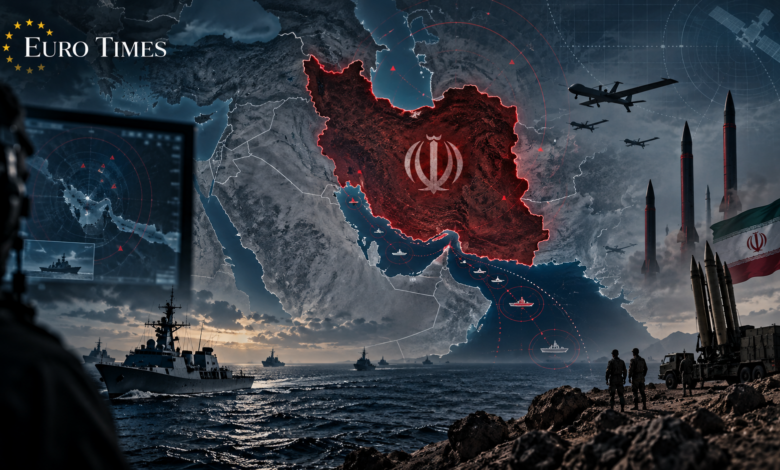
Iran’s rial has fallen beyond 2.5 million to the U.S. dollar, a new record low as war, sanctions and disruption to oil trade intensify economic pressure.
Euro Times – Tehran
Iran’s currency has fallen to a new record low, with traders in Tehran exchanging more than 2.5 million rials to the U.S. dollar, underscoring the mounting economic pressure on the country after months of war, sanctions and disruption to trade and energy flows.
According to The Associated Press, the rial crossed the 2.5 million mark on September 29, just 27 days after setting its previous record low of about 2.2 million rials per dollar on September 2.
War deepens economic pressure
Iran’s economy had already been under sustained pressure from international sanctions, but the conflict, the U.S. naval blockade on Iranian oil and additional sanctions imposed since the war began have intensified the strain on the currency and domestic economy.
The latest fall comes as Iranian Foreign Minister Abbas Araghchi says indirect negotiations with the United States over the Strait of Hormuz have become more serious. Qatari and Pakistani mediators have been involved in the contacts.
Hormuz talks continue
The talks are focused on the strategically vital Strait of Hormuz, where disruption to commercial shipping has had far-reaching consequences for global energy markets and Gulf exporters.
Washington and Tehran have not announced a final agreement. Major differences remain over sanctions, Iranian assets, oil exports and the terms for restoring normal shipping through the strait.
The currency’s latest record low therefore adds another layer of domestic economic pressure as Tehran weighs the proposals being relayed through regional mediators.
Read also:
- Iraq faces dangerous escalation as Kataib Hezbollah threatens to bring down government and shoot down aircraft
- Hormuz deal hangs between Trump and mediators: What happens if the latest bid to end the war collapses?
- Hormuz is operating — but not as before: How ships now cross the world’s most dangerous chokepoint