Hormuz is operating — but not as before: How ships now cross the world’s most dangerous chokepoint

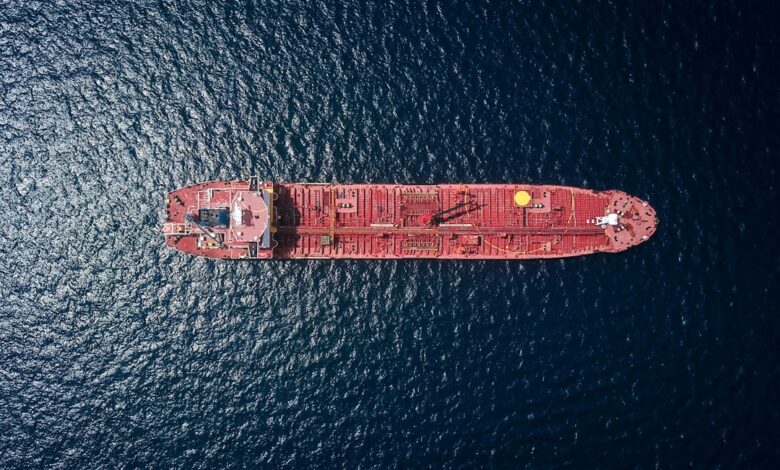
Ships are still crossing the Strait of Hormuz, but traffic remains far below pre-war levels as operators adopt exceptional measures to reduce risk.
The Strait of Hormuz has not stopped operating entirely, but today’s shipping picture is radically different from before the war. Vessels are crossing in limited and volatile flows, some reduce their visibility on tracking systems, and security risk, insurance and freight costs now shape every voyage decision.
Shipping data reported by Reuters showed crude exports through the strait reached 33.7 million barrels during the week beginning September 20, even as commercial vessel traffic remained highly erratic and well below normal.
From about 125 ships a day to volatile traffic
Before the war began on February 28, Hormuz handled an average of roughly 125 large commercial vessels a day, including oil and gas tankers, cargo ships and container vessels. During September, daily crossings fell into single digits on some days, with preliminary data showing just two vessels crossing on September 21.
Tracking figures do not necessarily show the complete picture because some ships switch off their Automatic Identification System, or AIS, during voyages to reduce their visibility in the high-risk area.
A new economy built around risk
The war has effectively produced a different transport system. Instead of relying solely on conventional long-haul voyages, some tankers operate shuttle runs to move oil out of the Gulf before transferring cargo to other vessels outside the strait. Tanker rates and insurance costs have risen sharply.
The question is therefore no longer simply whether Hormuz is open or closed. What matters is how much capacity the corridor can handle, how many companies are willing to accept the risk, and how much additional cost ultimately reaches the oil and refined-products markets.
The latest data show that the strait can still move large volumes of crude during some periods, but daily shipping activity remains far from its pre-war pattern.
Read also: Gulf oil bottleneck worsens as Oman ship-to-ship transfers hit capacity