Iraq Suspects Israeli Role in Explosions at Iran-Backed Militias’ Arms Depots as Chinese Air Defenses Come Under Scrutiny

Iraqi authorities are investigating whether explosions at two weapons depots belonging to Iran-aligned Iraqi armed factions may have been caused by Israeli strikes, amid unverified reports that the facilities held newly delivered Chinese-made shoulder-fired air defense systems. Baghdad has not released conclusive evidence identifying the cause of the explosions or those responsible.
EURO TIMES
Iraqi authorities are investigating whether explosions at two weapons depots belonging to Iran-aligned Iraqi armed factions may have been caused by Israeli strikes, amid unverified reports that the facilities held newly delivered Chinese-made shoulder-fired air defense systems. Baghdad has not released conclusive evidence identifying the cause of the explosions or those responsible.
Reports citing Iraqi sources
The London-based Asharq Al-Awsat newspaper reported on October 24, citing Iraqi government, security and other sources, that intelligence assessments were examining the possibility that operations against militia stockpiles had already begun inside Iraq, ahead of any publicly announced resumption of direct US-Israeli hostilities with Iran. Iran International also reported the claims, stressing that they had not been independently verified. Neither report established that Israel had carried out an attack.
The October 17 explosion and the Popular Mobilization Forces account
On October 17, the Popular Mobilization Forces (PMF) reported an explosion and fire at a warehouse containing deteriorated ammunition within one of its premises in the eastern Canal area of Baghdad. According to its account at the time, five people sustained minor injuries. The PMF described the incident as accidental and said the circumstances would be investigated. Iraqi authorities also pledged an inquiry.
Investigations remain open
More than a week later, competing accounts had emerged without a published final investigation. An Iraqi government official speaking anonymously to Asharq Al-Awsat said inquiries into the blast were continuing. A security official told the newspaper that authorities had enough indications to suspect an Israeli role in incidents involving arms depots, although the mechanism and nature of the alleged attacks remained unclear. The evidence behind that assessment was not publicly presented. The fact of the PMF-reported explosion must therefore be distinguished from the unproven claim that it resulted from an external airstrike.
Allegations involving Chinese-made portable missiles
Sources quoted by the newspaper claimed that two storage locations housed consignments of Chinese-made man-portable air defense systems, allegedly supplied from Iran to aligned Iraqi groups. They did not identify the specific models, nor publish shipping documents, identifiable photographs or other evidence establishing the weapons’ origin or presence at the facilities. One source said the faction selecting a storage site had considered it difficult to detect or reach, and that the suspected attacks occurred shortly after shipments arrived. Claims about extensive damage to those weapons and surrounding areas likewise remain unverified.
China denies reports of supplying Iran
The reporting drew a possible connection to earlier accounts of Chinese-origin shoulder-fired, heat-seeking air defense weapons destined for Iran. Reuters had previously cited three informed sources about a prospective first consignment of as many as 400 launchers. Chinese Foreign Ministry officials denied reports of supplying the systems to Iran. The newspaper linked the allegations to earlier reporting on possible Chinese air defense supplies to Iran, which Beijing denied. The precise types and origins of the systems reportedly stored at the Iraqi sites remain unclear.
Other incidents reportedly occurred earlier in October
Additional sources told Asharq Al-Awsat that the October 17 explosion followed incidents earlier in the month at facilities belonging to Iran-supported groups in or around Baghdad. Some depots were said to have stored reconnaissance and one-way attack drones. Sources also claimed that Iraqi factions had moved air defense equipment and drones from Iran and dispersed them among storage sites during a lull in hostilities. These accounts have not been independently authenticated, and no publicly verified inventory of the sites has been produced.
Conflicting reports of Israeli aircraft over Iraq
The alleged depot incidents coincided with conflicting reports of Israeli fighter aircraft flying in Iraqi airspace near the Iranian border, supported by aerial refueling aircraft. Asharq Al-Awsat said it could not independently confirm those flights or establish whether any depot explosion resulted from combat aircraft, drones or a non-hostile cause. A militia umbrella group also claimed to have documented 171 violations involving combat and surveillance aircraft since the beginning of October, but its figure has not been independently verified.
Militia movements and a fragile ceasefire
The newspaper described reports that factions had used a lull with US forces to reposition and store what their sources called strategic weapons. Some groups within the PMF are institutionally part of Iraq’s state security structure while maintaining close political or military ties to Tehran. This creates a sensitive distinction between the Iraqi government’s official security policy and decisions by individual armed factions. Reports also described a militia statement pledging to halt operations while reserving a response to what it called hostile overflights. Any such exception could make a ceasefire vulnerable to disputes over aerial activity.
Could a wider war begin on Iraqi territory?
A political source quoted by Asharq Al-Awsat argued that planners in Iraq feared a renewed US-Iranian confrontation could begin with strikes on Iraqi groups’ military capabilities and supply routes. Another source within the Shiite Coordination Framework said leaders of governing parties had anticipated this possibility for weeks. These are attributed assessments, not confirmation of an already launched Israeli or American campaign. The newspaper also relayed a claim that Iranian Revolutionary Guard officials urged Iraqi factions to reinforce defenses against hostile aircraft; that claim has not been independently corroborated.
What remains unknown
Three core questions are unresolved: whether the explosions were accidents or attacks; who, if anyone, conducted an attack; and whether Chinese-made air defense systems transferred via Iran were present in the affected locations. A final official investigation, technical evidence and independently authenticated documentation are needed before those claims can be stated as fact. Iraq’s exposure to a wider regional confrontation is real as a strategic concern, but the incidents themselves cannot yet be treated as proof that a new Israeli campaign has begun.
Sources
Read also
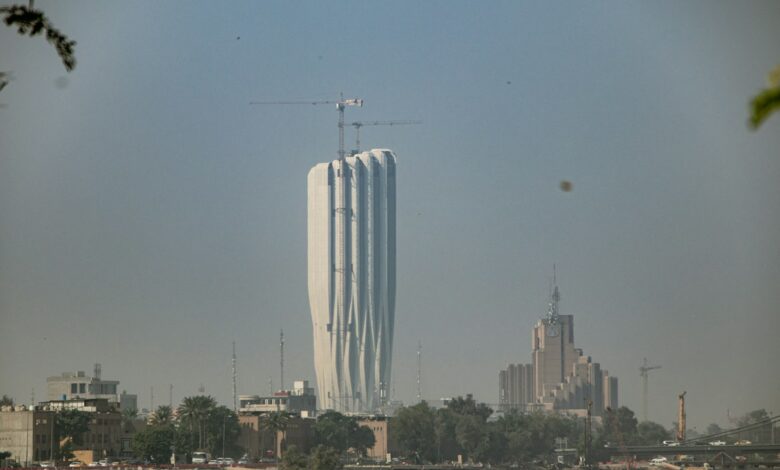
Archive photograph of Baghdad; it does not show the explosion site.
شاهد أيضًا
رابط الفيديو على يوتيوب: انقر هنا (https://www.youtube.com/watch?v=PQsY0BUJt_4)