Dr. Ali Aljabiri examines renewed diplomacy, electoral calculations and the risk of another war involving Iran, the United States and Israel.
Diplomatic efforts led by Qatar and Pakistan have gathered fresh momentum in recent days, seeking to reopen channels of negotiation between the Iranian regime and the United States. This renewed activity appears to reflect a growing recognition among mediators of the dangers of the current deadlock—and the possibility of another confrontation.
The mediators, then, are working to prevent escalation at a critical moment, while Tehran and Washington use negotiations to buy time and strengthen their bargaining positions.
“The mediators, then, are working to prevent escalation at a critical moment, while Tehran and Washington use negotiations to buy time and strengthen their bargaining positions.”
That reading is reinforced by international media reports citing Iranian officials who say the regime is deliberately prolonging talks and holding back progress on core issues to weaken Washington’s political position ahead of the congressional midterm elections. Iran’s stated conditions offer further reason to doubt that a breakthrough is close. The regime has told mediators that its key demands must be met: an end to the naval blockade, the lifting of sanctions on Iranian oil exports, and a halt to what it calls “hostile acts” across all regional fronts. That final demand, in itself, runs up against Washington’s insistence that Tehran stop supporting its allied militias across the region.
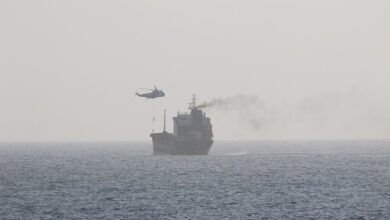
At this stage, the Iranian regime is deliberately applying pressure, both directly and indirectly, to dictate the terms of the contest without triggering an all-out confrontation before the elections in the United States and Israel bring the emerging political landscape into focus. Its limited harassment of shipping in the Strait of Hormuz serves this purpose: raising the cost of any American decision to attack while keeping tensions below the threshold of full-scale, direct conflict.
Tehran is also using the Houthis to strike regional interests, infrastructure and airports, putting pressure on the United States and its Gulf allies without entering a direct confrontation with Washington that could reignite the war before the regime has achieved the objectives of this strategy.
Yet Iran is not alone in seeking to buy time. The United States and Israel appear to be pursuing the same objective, waiting until their respective elections are over. Benjamin Netanyahu has said he does not intend to expand attacks against Iran before Israel’s election, while Donald Trump has expressed reservations about opening major new fronts ahead of the American vote.
“Yet Iran is not alone in seeking to buy time.”
All three parties are therefore playing for time until the elections in the United States and Israel have passed. Their outcomes could open the gates of hell—or bring the parties back to negotiations and mutual concessions. There appear to be clear indications that Washington is prepared to return to war after the elections unless the Iranian regime offers meaningful concessions, something that seems unlikely before the votes take place.
For now, electoral calculations appear to be the principal restraint on a broader, direct confrontation. But they offer no guarantee that maritime and regional attacks can be contained, or that an unforeseen incident will not overturn those calculations.
“For now, electoral calculations appear to be the principal restraint on a broader, direct confrontation.”
Beyond the elections, three main paths remain open:
- An interim understanding that eases tensions on the ground and lays the groundwork for broader negotiations. For now, at least, this remains a distant prospect.
- Continued attrition, with sustained economic pressure and intermittent negotiations, but neither a decisive settlement nor an all-out confrontation.
- A return to direct military conflict, with strikes widening in scope if diplomatic channels reach a dead end. Recent developments suggest that this is a highly likely outcome. Among them is the intense diplomatic activity of recent days: the urgency of the mediators’ efforts may itself signal that the resumption of war is drawing closer.
Dr. Ali Aljabiri is Editor-in-Chief of the Swedish newspaper Euro Times.
Previous Articles by Dr. Ali Aljabiri
- Dr. Ali Aljabiri: The U.S. Military Buildup in the Middle East: Calculated Deterrence or Preparation for War?
- Dr. Ali Aljabiri: Expanding the War — Tehran’s Message to the Gulf Before Washington
شاهد أيضًا
رابط الفيديو على يوتيوب: انقر هنا (https://www.youtube.com/watch?v=2LT9bcP4xEw)