Trump reveals three hours of Iran negotiations as Witkoff says mediators shuttled between delegations in New York

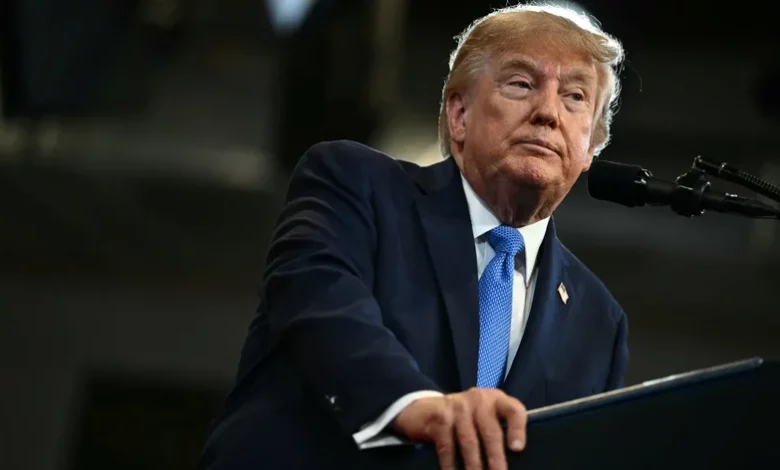
Lengthy US-Iran negotiations in New York reopen a diplomatic channel through Qatari mediation, amid differing accounts of the talks and continuing disputes over the war and Hormuz.
Euro Times / New York
The diplomatic track between the United States and Iran entered a new phase on the sidelines of the United Nations General Assembly in New York after US President Donald Trump said his envoys Steve Witkoff and Jared Kushner spent about three hours in negotiations with the Iranian side. Witkoff, however, clarified that the exchanges were conducted through intermediaries moving between the two delegations throughout the talks.
The clarification resolves part of the initial ambiguity surrounding the negotiations. Trump described what took place as a three-hour “meeting,” while Witkoff characterized the mechanism as extended talks through intermediaries who shuttled between the two sides, completing a round he hoped would be constructive and pave the way for further diplomacy. Details of the talks.
Trump: Momentum toward a deal
Trump said Witkoff and Kushner held “very productive” talks with Iran’s intermediaries and said he saw “great momentum” toward an agreement. He had also said contacts with Tehran were continuing and that he believed a settlement would eventually be reached. Reuters.
No breakthrough on the core issues has yet been announced. Recent reports indicated that the round ended without an agreement, while differences remained over the conditions for ending the war, US military and economic pressure, and the future of the Strait of Hormuz.
Iran: Messages exchanged through Qatar
In Tehran’s latest official account, Foreign Ministry spokesman Esmail Baghaei said messages and clarifications were exchanged through Qatari mediation and that Iran used the round to communicate its conditions and positions clearly.
According to Baghaei, Iran’s demands included ending the war on all fronts, stopping US military operations and pressure, ending the naval blockade and economic war, and releasing frozen Iranian assets. Tehran said the round involved roughly two hours of messages and clarifications through the Qatari mediator, helping explain the difference between the US and Iranian descriptions of the duration and mechanism of the contacts.
Hormuz at the heart of negotiations
The Strait of Hormuz remains central to the new contacts. Sources close to the diplomatic track have spoken of Iranian readiness to discuss reopening the strait more broadly to shipping if Washington reduces military pressure and lifts restrictions imposed on Iranian ports.
Tehran is linking navigation through Hormuz to a broader set of political, military and economic demands, while Washington maintains its objective of preventing Iran from obtaining a nuclear weapon and seeking arrangements that end the war and restore stability to Gulf shipping and energy flows.
No confirmed direct meeting so far
Although Trump used the word “meeting” to describe the exchanges, Witkoff’s comments and Iranian statements indicate that the round relied primarily on shuttle diplomacy. Based on the information available so far, the most accurate description is that lengthy US-Iran negotiations took place in New York through intermediaries, without independent confirmation of a face-to-face session between the two delegations.
The round is significant because it restored an active negotiating channel between Washington and Tehran while the war continues and Gulf shipping and energy flows remain under severe pressure. The absence of an announced breakthrough, however, means the next phase will depend on whether mediators can narrow the gap between the two sides’ conditions.
Sources: Reuters, Associated Press, and statements from Iran’s Foreign Ministry and Witkoff on the mediation mechanism.