Middle East oil exports hit highest level since war began as 19 Saudi supertankers cross Hormuz

Middle East crude exports rebound sharply in September as Saudi shipments surge and 19 VLCC supertankers cross the Strait of Hormuz.
Crude oil exports from the Middle East’s major producers surged to around 12.8 million barrels per day in September, reaching their highest level since the war with Iran began in February, as Saudi and Emirati shipments increased and oil flows through the Strait of Hormuz partially recovered.
Preliminary Kpler data reported by Reuters showed a sharp rebound in Gulf exports as producers adapted their shipping routes to disruptions caused by the conflict.
19 Saudi supertankers cross Hormuz
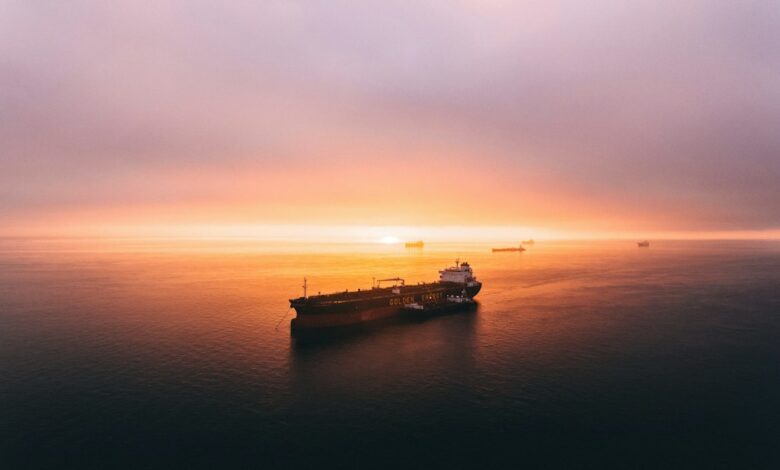
One of the clearest signs of the shift was the passage of 19 Saudi Very Large Crude Carriers (VLCCs) through the Strait of Hormuz during the past week. A VLCC can typically carry around two million barrels of crude.
The increase reflects Saudi Arabia’s heavier reliance on Gulf export terminals after attacks disrupted the kingdom’s East-West Pipeline and temporarily curtailed crude loadings from Yanbu on the Red Sea.
Saudi exports surge
Saudi Arabia has sharply increased shipments from its eastern terminals, particularly Ras Tanura, as it redirects volumes that would otherwise have moved west toward the Red Sea.
Reuters previously reported that Saudi Aramco loaded about 14 million barrels onto seven VLCCs at Ras Tanura in a single day, while Saudi crude flows through Hormuz rose markedly from August levels. citeturn0news0
A major recovery — but not a return to normal
The rebound marks a significant change in the regional oil picture, but it does not mean exports or commercial shipping have returned to pre-war conditions. Before the conflict began on February 28, the Strait of Hormuz typically handled about 125 large commercial vessels per day and roughly one-fifth of global crude oil and liquefied natural gas supplies.
Shipping data can also undercount vessels crossing with their Automatic Identification System (AIS) transponders switched off to reduce their visibility. citeturn0news2
Read also: Hormuz is operating — but not as before: How ships now cross the world’s most dangerous chokepoint
Read also: Saudi Arabia between Hormuz, Bab el-Mandeb and Iraq: Three flashpoints redraw its oil export map