

Euro Times – Stockholm
The effects of the war between Iran and the United States are no longer confined to oil tankers, the Strait of Hormuz, sanctions and global markets. Inside Iran, the economic pressure generated by the war and the U.S. blockade is becoming increasingly visible in everyday life, from lines at gas stations to protests and strikes by truck drivers, taxi drivers and workers for ride-hailing platforms.
In a new report published Friday, September 11, The Wall Street Journal documented a worsening fuel crisis that it said is being driven by the economic fallout from the war and the U.S. naval blockade, at a time when the country is already struggling with a collapsing currency, rising prices and a deteriorating labor market.
Lines form as stations run out of fuel
According to the report, some stations ran out of gasoline as drivers rushed to fill up before new prices took effect, while motorists described becoming stranded after they were unable to obtain fuel.
The shortages came after the government raised the price this week for gasoline consumed beyond subsidized quotas, while also reducing some allocations. Reuters had reported that the new price applies to consumption above 110 liters per month, rising to 100,000 rials per liter, while the first two subsidized tiers remain unchanged.
War hits Iran’s cheap-fuel model
The importance of the crisis lies in the fact that subsidized fuel has for decades been a central part of Iran’s economic life. But The Wall Street Journal says the government is finding it increasingly difficult to maintain the subsidy system while simultaneously repairing war damage to refineries and facing difficulties importing gasoline because of the blockade.
A report by the Financial Times adds another dimension to the crisis. Even with domestic gasoline production reaching record levels, an official at the state refining and distribution company said the country still faces a deficit of around 10 million liters per day. The report also noted that the war knocked part of Iran’s refining capacity offline and that the U.S. blockade disrupted imports, forcing the government to rely on reserves.
Drivers join the protests
The problem is no longer limited to consumers. According to The Wall Street Journal, 120 taxi drivers in Kerman province protested cuts to their subsidized fuel allocations, saying the supplies no longer lasted through the entire month.
Other cities also saw actions by drivers for Snapp, the ride-hailing and delivery platform that the newspaper describes as one of Iran’s largest private-sector employers, with around three million drivers. In Arak, dozens of drivers gathered outside the provincial government headquarters, while another action took place in Semnan, where drivers stopped working.
The pressure has also spread to the trucking sector. At the Mehran crossing on the Iraqi border, a one-day strike took place in late August over fuel shortages, while truck drivers at Bandar Abbas port warned this week that they could take similar action. These developments are especially significant because road transport and ports are vital arteries for moving goods across Iran.
From oil at sea to prices in the street
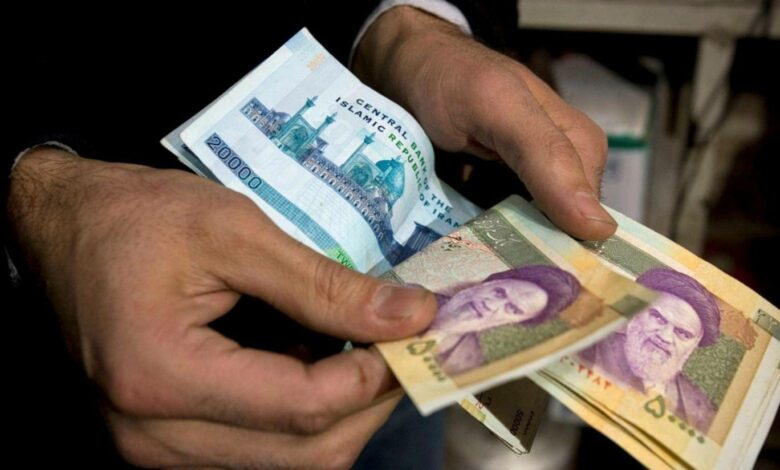
The fuel crisis comes amid broader pressure on Iran’s economy. According to The Wall Street Journal, food-price inflation reached 128% in August, while the dollar traded above 2.3 million rials on the open market, a new record.
In another sign of the pressure Washington is applying to Iran’s oil sector, Reuters quoted a U.S. official as saying Iranian oil loadings fell over the past 30 days to around 200,000 barrels per day, compared with about 1.8 million barrels per day in January and February, while discharges dropped from 1.4 million to roughly 900,000 barrels per day.
These figures indicate that the economic confrontation has become a central part of the war. The United States is seeking to reduce Tehran’s ability to export oil and obtain hard currency, while the Iranian government faces rising costs to preserve subsidies, finance imports and manage an economy under simultaneous pressure.
The memory of the 2019 protests
Gasoline is a particularly sensitive political issue inside Iran. A sudden fuel-price increase in 2019 triggered widespread protests across the country, making successive Iranian governments extremely cautious about any new changes in fuel prices.
Reuters noted that the government had previously discussed the current increase and delayed it over fears of provoking fresh unrest. The importance of the latest developments therefore lies not only in the higher price, but in its combination with actual fuel shortages, transport-sector strikes, currency depreciation and a sharp rise in food costs.
A new test of Iran’s resilience
After months of war, the gasoline crisis shows how pressure on oil exports, ports and refineries can gradually move from the military and maritime fronts into the household economy. The question now is whether Tehran can absorb these pressures and preserve the subsidy system, or whether fuel will become one of the most sensitive points of social pressure in the next phase.
