Epstein’s Former Doctor: He Was the Front, Not the Mastermind

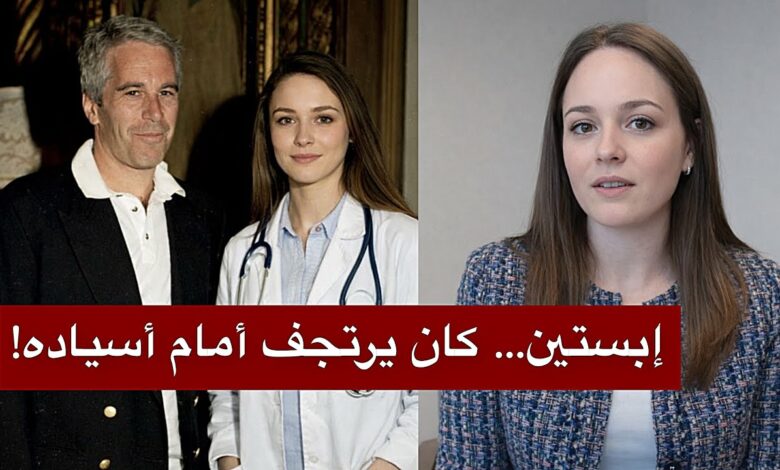
In a striking and controversial account, a woman identifying herself as Jeffrey Epstein’s former physician has offered a dramatically different portrayal of the disgraced financier, claiming that he was not the ultimate architect behind the network associated with his name, but rather a “front” for individuals far more powerful.
In the interview, the doctor makes clear that she is not attempting to defend Epstein or diminish the gravity of his crimes. She describes him unequivocally as a criminal who bore responsibility for the abuse and exploitation that occurred within his circle. However, she argues that the public narrative portraying him as the central mastermind is, in her view, incomplete.
“He Was the Facade, Not the Core”
According to her account, Epstein lived what she described as “two distinct versions” of himself. Publicly, he appeared confident, composed, and influential. Privately, she claims, he suffered from severe anxiety episodes and psychological breakdowns — particularly before meetings with certain high-profile individuals whom she characterized as being “above him, not beneath him.”
She alleges that he required increased doses of sedatives prior to some of these meetings and that his demeanor would visibly shift in anticipation of encounters with particular guests. In her telling, the power dynamic was not one of equals.
A “Closed System” on the Island
The physician recounts that her professional relationship with Epstein began in New York as routine medical oversight and gradually evolved into accompanying him on trips and eventually working in a supervisory medical role on his private island.
She claims that the contracts she signed included strict confidentiality clauses that limited written documentation and restricted record-keeping. The island, she says, operated as a highly controlled environment where each space and guest had a defined role.
She further describes what she calls two categories of visitors: those who believed themselves important, and others whose presence, she suggests, altered the entire atmosphere of the island. According to her account, security protocols would intensify noticeably upon the arrival of certain unnamed figures.
The Alleged Dinner Incident
Among the most serious claims in her testimony is an alleged dinner event during which multiple guests reportedly experienced sudden health crises. She states that preliminary internal analysis pointed to the presence of an unidentified organic substance in the food.
No independent documentation supporting this claim was presented in the interview.
She also notes that Epstein allegedly did not consume his meal that evening and that internal records of the event were later removed.
Questioning the Official Narrative of His Death
In the most sensitive portion of her account, the doctor challenges the official conclusion regarding Epstein’s death. She states that, based on her understanding of his psychological profile, she does not believe he ended his own life.
She further claims that after his arrest in 2019, she attempted to access his medical file but was denied permission by what she describes as “higher authorities.” According to her, his death represented not the conclusion of a case, but the closing of a “black box” before it could be fully opened.
Allegations Without Independent Verification
Throughout the interview, the physician reiterates that Epstein was a criminal and not a victim. However, she insists he was not the ultimate figure behind the system in which he operated.
Her account raises significant questions but remains unverified, as no documentary evidence or corroborating testimony was presented within the material reviewed.
The interview concludes with a provocative question:
Was Epstein merely the visible face of a larger, more complex network — and did his death prevent deeper truths from emerging?