Saudi Arabia between Hormuz, Bab el-Mandeb and Iraq: Three flashpoints redraw its oil export map

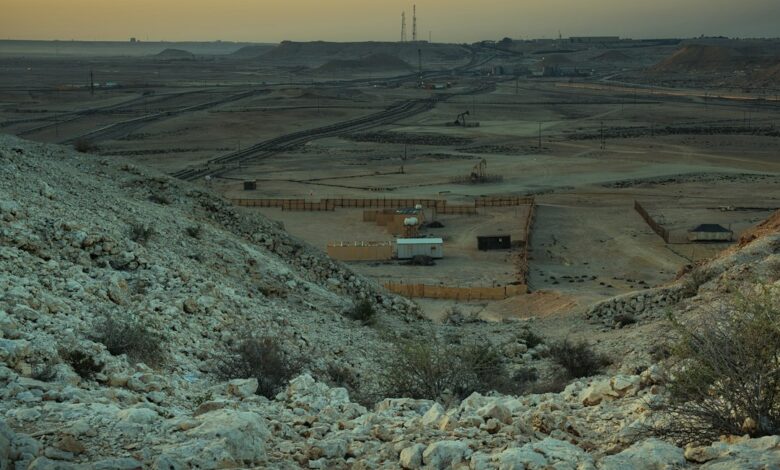
The partial restart of Saudi Arabia’s East-West Pipeline has not ended the pressure as risks around Hormuz, Iraq-linked attacks and Yemen complicate export routes.
Saudi Arabia is confronting an oil-export equation that was far less acute before the war: shipping through the Strait of Hormuz remains disrupted, its alternative route to the Red Sea has been attacked, and escalating conflict in Yemen is increasing risk around Bab el-Mandeb and the Red Sea.
The kingdom’s East-West Pipeline, which carries crude from eastern Saudi Arabia to the Red Sea port of Yanbu, was halted after drone attacks that Riyadh blamed on armed groups in Iraq. Reuters later reported that operations had restarted at a reduced rate, while a full return to capacity could take several weeks.
The alternative to Hormuz is also under pressure
The pipeline matters because it gives Saudi Arabia a way to bypass Hormuz and send crude directly to the Red Sea. During disruption in Gulf shipping, the kingdom used it to reroute around 4 million barrels per day before three pumping stations were damaged in the attack, according to Reuters sources.
During the shutdown, Aramco increased loadings from Gulf terminals. Tracking data showed seven supertankers loaded around 14 million barrels at Ras Tanura in a single day, while Saudi crude moving through Hormuz averaged about 2.9 million barrels per day during one monitoring period, up from roughly 700,000 bpd in August.
Then comes Bab el-Mandeb
The western route is not free of risk either. Escalation in Yemen and fighting near strategically important areas linked to Bab el-Mandeb have made the Red Sea more sensitive for Saudi energy exports. Reuters also reported that insurance costs for tankers linked to Saudi Red Sea exports have risen sharply in recent weeks.
Three directions, one problem
The result is that Riyadh is distributing risk rather than relying on a fully secure alternative route: Hormuz can move oil but remains exposed to escalation; the East-West Pipeline is back only partially after being targeted; and the Red Sea faces higher security and insurance risks as the Yemen conflict intensifies.
These pressures have also contributed to the expansion of ship-to-ship crude transfers off Oman, where tankers move oil out of the Gulf before transferring cargo to other vessels bound for Asian and other markets.
Read also: Gulf oil bottleneck worsens as Oman ship-to-ship transfers hit capacity