
Political Earthquake in Sweden: Centre Party Shifts the Balance of Power and Opens the Door for Kristersson

By: Dr Ali Aljabiri – Editor-in-Chief of Euro Times
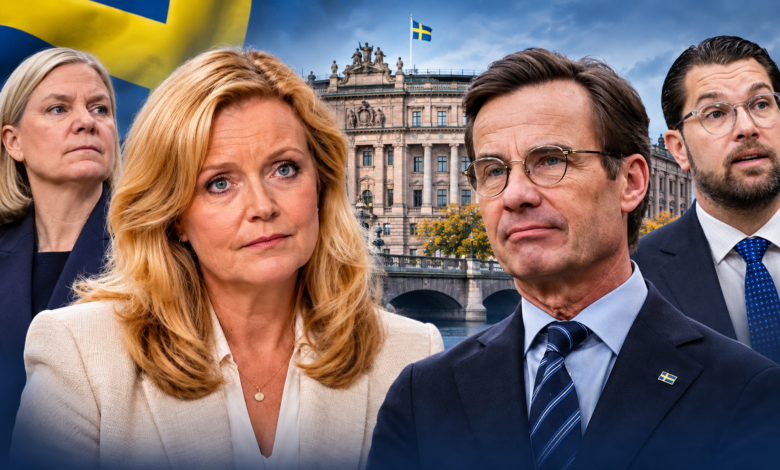
EURO TIMES / SWEDEN — Sweden’s government formation process entered a decisive phase on Thursday evening, 26 November, when the Centre Party leadership recommended supporting Moderate Party leader Ulf Kristersson as prime minister and joining a four-party government with its former Alliance partners. The shift follows 75 days of negotiations since the parliamentary election.
The announcement followed an extraordinary joint meeting of the party leadership and parliamentary group. A majority backed the recommendation, but no consensus was reached. The Moderates, Christian Democrats and Liberals welcomed the decision, while parties on the left criticised it. The Centre Party’s confidence council is due to make the final internal decision on Sunday, according to SVT.
Centre Party: a political shift and internal division
Centre Party leader Elisabeth Thand Ringqvist said the leadership recommends voting for Kristersson and entering the four-party cabinet proposed by the Speaker. She said the party had explored different options, including talks with other parties, but could not currently form a government led by the Social Democrats. The negotiated agreement with the Moderates, Christian Democrats and Liberals, she said, includes important Centre Party policies and differs from the preceding four years.
According to SVT, the proposed agreement excludes:
- Structured budget cooperation with the Sweden Democrats.
- Policy commitments to the Sweden Democrats.
- Sweden Democrat participation in government.
- Political appointments for Sweden Democrats in the Government Offices.
Thand Ringqvist also disclosed that she had previously told her party leadership she was not the right person to lead the party into a government involving the Left Party or into a snap election.
Possible rebellion among Centre MPs
The recommendation did not secure unanimous support. MP Anna Lasses said she would vote against Kristersson on Monday. In contrast, migration spokesperson Niels Paarup-Petersen supported the leadership despite describing it as one of his most difficult political decisions. SVT political commentator Mats Knutson noted that MPs from the same party splitting in a prime-ministerial vote would be unusual. Svenska Dagbladet reported opposition within the confidence council, including representatives from Stockholm.
Where Sweden’s eight parliamentary parties stand
The following positions are drawn from reporting by Aftonbladet and SVT.
1. Moderates (M) – Ulf Kristersson
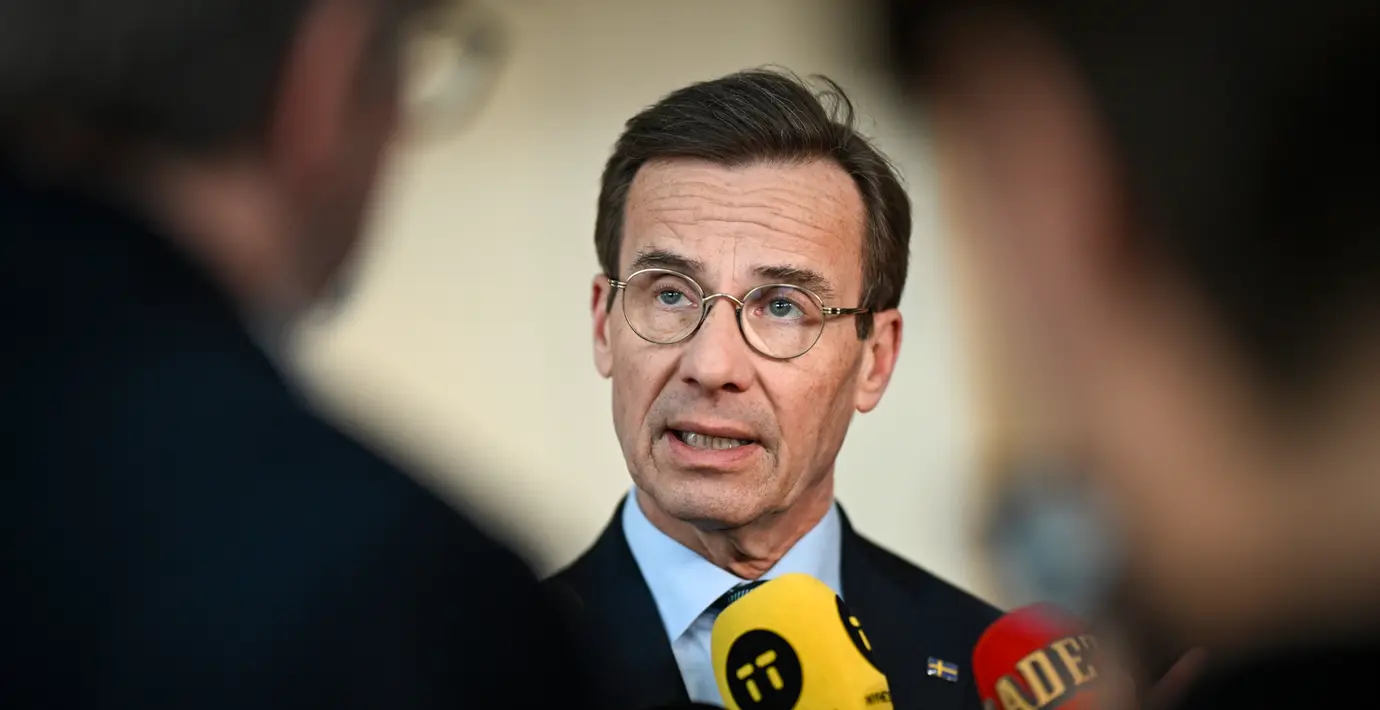
Kristersson welcomed the Centre leadership’s announcement. He said a four-party government focused on economic growth and welfare would benefit Sweden. He respected the party’s internal decision-making and remained open to cooperation with other parties where common ground exists.
2. Centre Party (C) – Elisabeth Thand Ringqvist
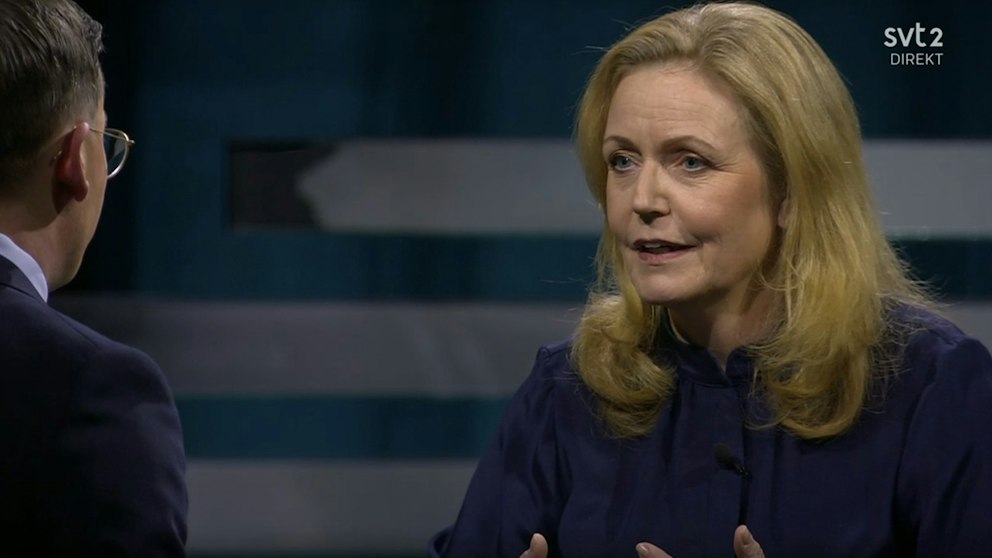
The leadership recommends supporting Kristersson and entering his government after negotiations with the red-green parties stalled. The confidence council still has to decide, amid internal objections to a government whose parliamentary survival could depend on the Sweden Democrats.
3. Christian Democrats (KD) – Ebba Busch
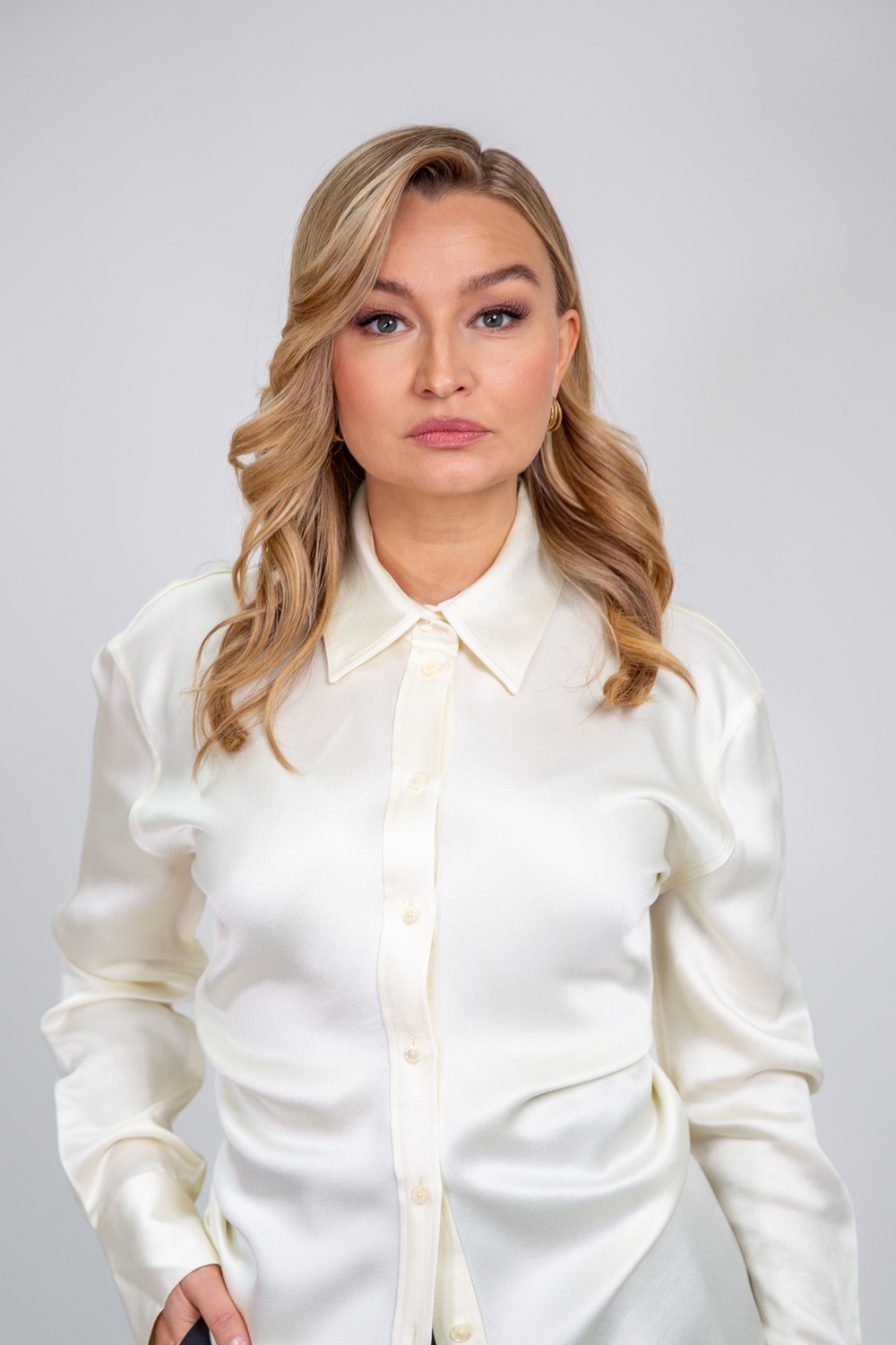
Busch welcomed the recommendation, saying a proposed four-party government could establish a new political cooperation based on the parties’ long shared history. She expressed hope that the Centre Party would complete its internal process and allow a government to be formed.
4. Liberals (L) – Simona Mohamsson
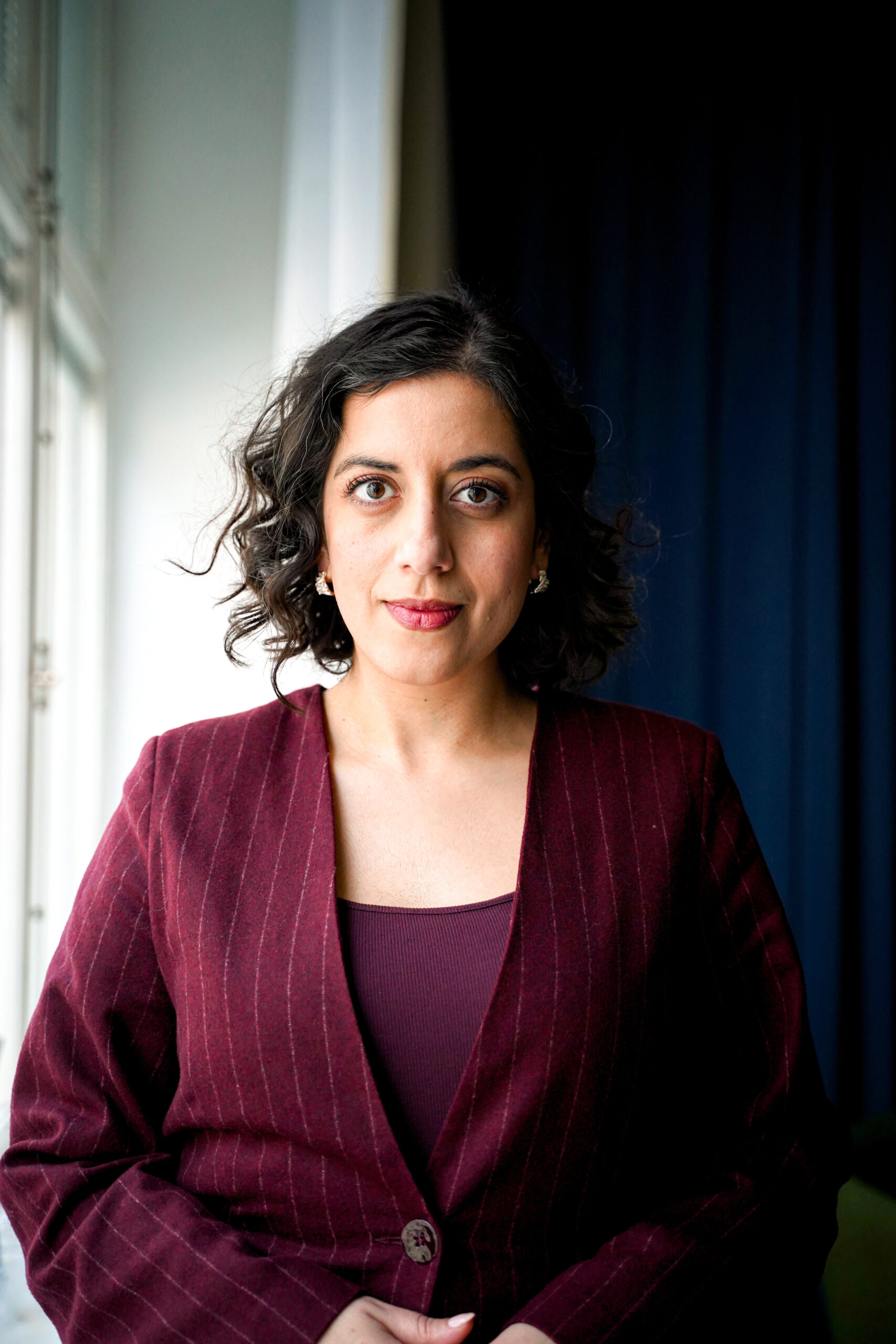
Mohamsson said a centre-right government was within reach and that the Centre Party’s final decision would determine the next direction of government. The Liberals support Kristersson’s return as prime minister and participation in the four-party coalition.
5. Social Democrats (S) – Magdalena Andersson
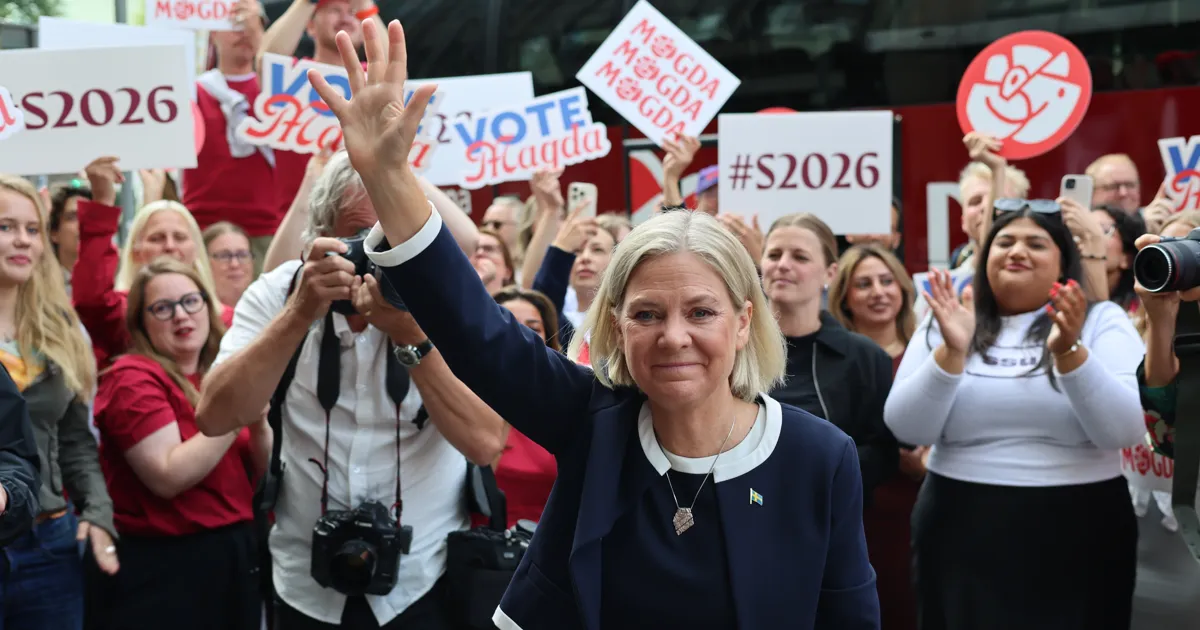
Andersson criticised the Centre Party’s shift, arguing that the proposed government would be historically weak in its ability to pass legislation. She acknowledged the disappointment of voters seeking a change in direction and said her door remained open to an alternative solution, although on Tuesday she had said the conditions for forming a government under her leadership did not exist.
6. Left Party (V) – Nooshi Dadgostar
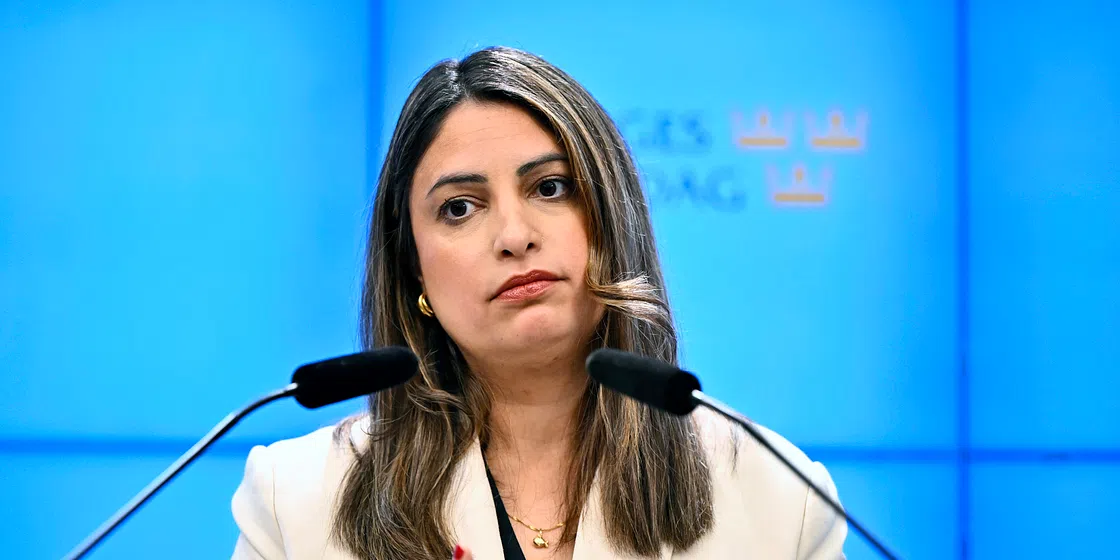
Dadgostar accused the Centre leadership of retreating from previous pledges not to rely on the Sweden Democrats. She said her party remained willing to explore an alternative government if the Centre Party’s confidence council rejected the recommendation.
7. Green Party (MP) – Daniel Helldén
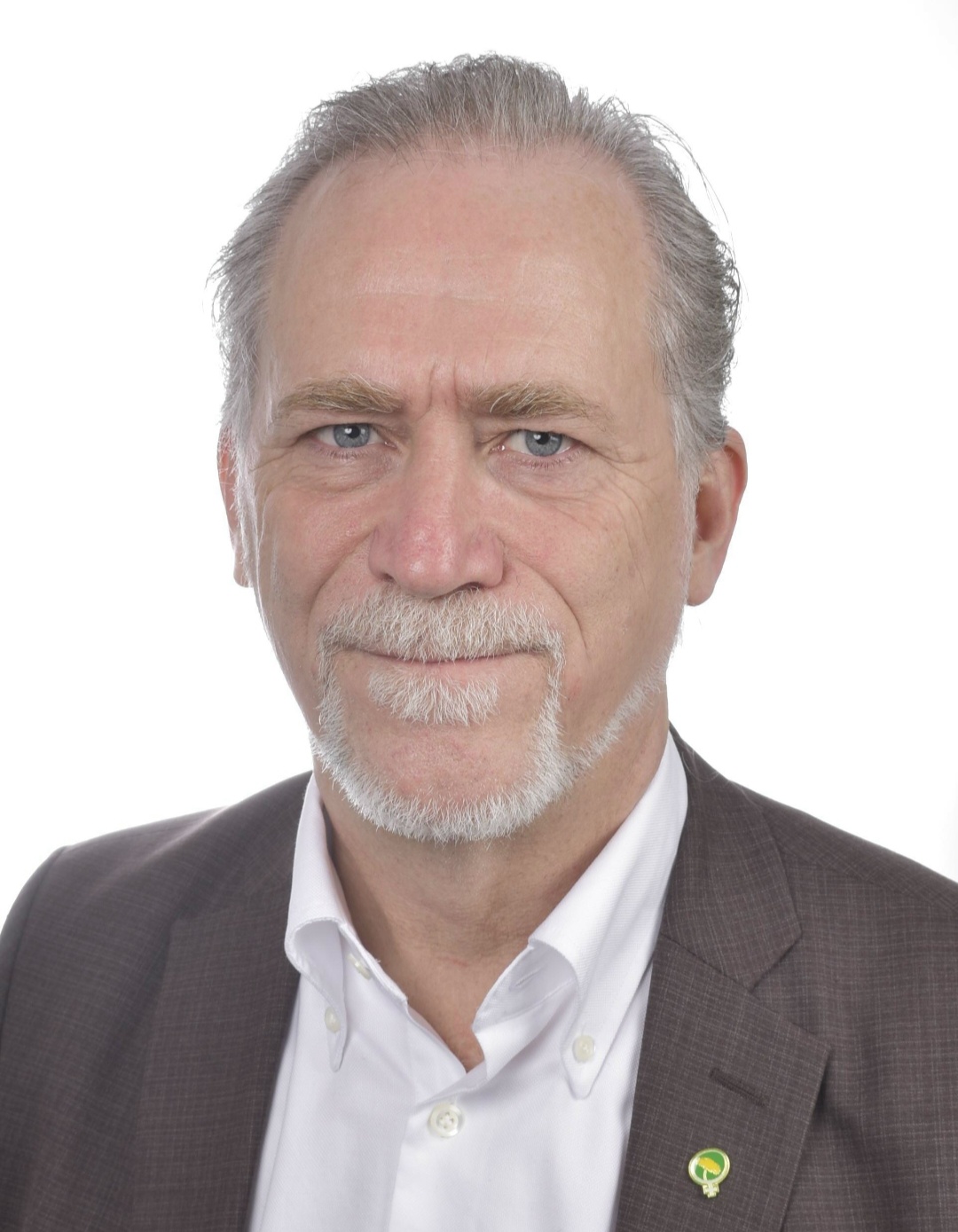
Helldén expressed regret that the Centre leadership was moving towards a government dependent on the Sweden Democrats’ position. He argued that the Centre Party could still choose another path with more ambitious climate policies and a more humane migration policy.
8. Sweden Democrats (SD) – Jimmie Åkesson
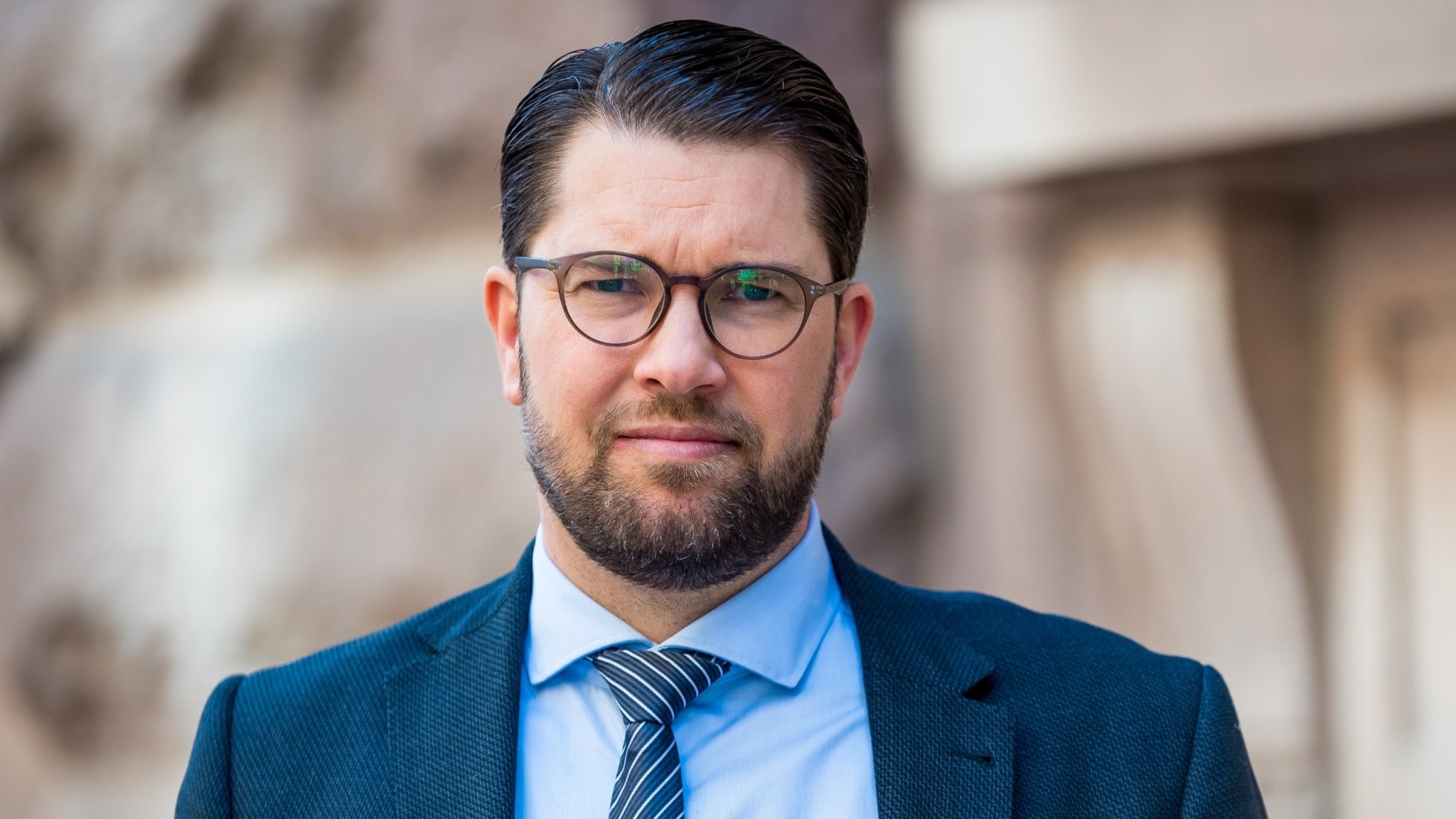
The Sweden Democrats retain a pivotal parliamentary position despite being outside the proposed government. They have indicated willingness to allow Kristersson to become prime minister by abstaining, without providing equivalent guarantees on the government’s budget or future policies.
The old Alliance returns after 12 years
The developments revive the four-party Alliance that governed Sweden under Fredrik Reinfeldt from 2006 to 2014: Moderates, Centre Party, Christian Democrats and Liberals. The parliamentary circumstances would be different this time. The four parties lack a majority and would need outside support for legislation. The proposed agreement does not include the Sweden Democrats, a key partner in the previous parliamentary term’s Tidö Agreement. As of Thursday evening, neither the complete government programme nor the allocation of ministries had been announced.
What do the parliamentary numbers show?
Distribution of seats – 349 seats
Social Democrats, Left Party and Greens — 151 seats
Moderates — 70 seats
Sweden Democrats — 62 seats
Centre Party — 25 seats
Christian Democrats — 22 seats
Liberals — 19 seats
The four proposed governing parties have 136 seats, compared with 151 for the Social Democrats, Left Party and Greens, while the Sweden Democrats hold 62. Sweden’s negative parliamentarism does not require 175 affirmative votes for a prime minister: a candidate is rejected only if at least 175 MPs vote against. Abstentions by the Sweden Democrats could therefore allow Kristersson to take office even with more votes against than in favour.
How could Monday’s vote unfold?
Conditional arithmetic scenario
In favour — 136 seats
Against — 151 seats
Abstaining — 62 seats
Even some Centre MPs voting against Kristersson would not necessarily defeat his nomination. If all other parties voted as assumed, up to 23 Centre MPs could oppose him without reaching the rejection threshold. With 24 Centre MPs voting no, the opposing side would reach 175.
How a Centre Party split would affect the vote
| Centre MPs voting no | Yes | No | Abstain | Result |
|---|---|---|---|---|
| 0 | 136 | 151 | 62 | Approved |
| 1 | 135 | 152 | 62 | Approved |
| 12 | 124 | 163 | 62 | Approved |
| 23 | 113 | 174 | 62 | Approved |
| 24 | 112 | 175 | 62 | Rejected |
| 25 | 111 | 176 | 62 | Rejected |
This is a parliamentary calculation, not a forecast of the actual vote.
Sweden Democrats: outside government, central to the equation
The Sweden Democrats’ position is a key challenge both in the prime-ministerial vote and afterwards. Allowing Kristersson to take office does not imply supporting his budget or bills. A four-party government would still need parliamentary arrangements for the budget and reforms involving the economy, migration, energy and welfare. Winning the vote and being able to govern for a full parliamentary term are separate questions.
Why did Andersson’s negotiations collapse?
The shift became clearer on Tuesday when Magdalena Andersson informed Speaker Andreas Norlén that the conditions for forming a government under her leadership were absent, according to TV4. The discussed arrangement would have included Social Democrats, Centre Party and Greens in government, supported externally by the Left Party. Disagreement over the Left Party’s ministerial participation prevented an agreement. Andersson accused the Left Party of insufficient willingness to negotiate policy; the Left Party maintained its demands for participation and influence. With those talks stalled, the Centre Party resumed negotiations with its former Alliance partners.
Critical hours and days ahead
- Thursday 26 November: Centre leadership announces support for Kristersson; nomination presented to parliament for the first time.
- Friday 27 November: Second presentation of the nomination in parliament, under the official schedule.
- Sunday 29 November: Centre Party confidence council meeting to decide its position, according to SVT.
- Monday 30 November, 13:00: Parliamentary vote on Ulf Kristersson as prime minister.
- If approved: Government formation, ministers and programme announced, followed by the formal transfer of power.
Speaker Andreas Norlén formally proposed Kristersson to lead a cabinet of Moderates, Centre Party, Christian Democrats and Liberals. Monday’s vote would be the third attempt to elect a prime minister since the election, following the rejection of Magdalena Andersson and Elisabeth Thand Ringqvist. If the third attempt fails, the Speaker would have one final attempt before an extraordinary election becomes mandatory.
Is the government formation crisis over?
The Centre Party leadership’s announcement shifts the crisis from finding a coalition to testing whether the proposed four-party alliance can overcome internal and parliamentary obstacles. Sunday’s confidence council and Monday’s parliamentary vote will determine whether Kristersson can return for a second term. Even if he succeeds, securing support for budgets and policies remains a central challenge. After more than two months of difficult negotiations, the issue is not only who becomes prime minister but what kind of government Sweden will have and whether it can govern effectively.