Israeli report: Iran retains around 2,000 ballistic missiles and is rebuilding its arsenal despite months of war

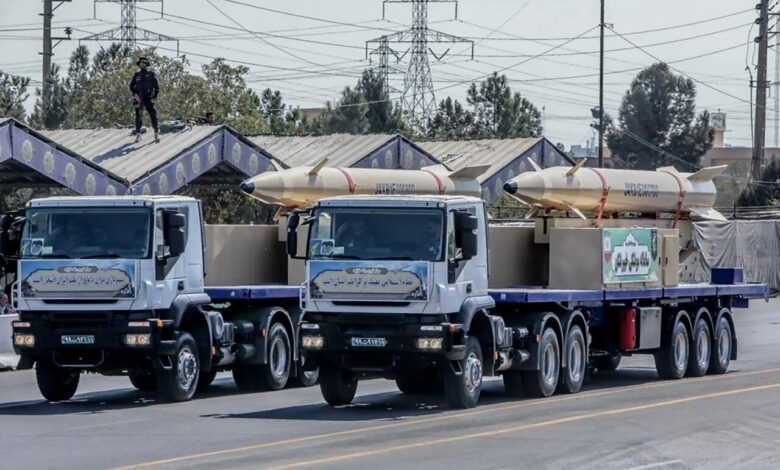
Israel's Channel 12 cites estimates of 1,800–2,000 Iranian ballistic missiles; the figures remain independently unverified.
Euro Times / Stockholm — More than seven months after US and Israeli strikes on Iran’s missile launchers and factories, Israeli intelligence assessments suggest Tehran still holds a large ballistic-missile arsenal and is rebuilding it faster than expected, according to Israel’s Channel 12, as reported on October 11.
Between 1,800 and 2,000 missiles
According to the report, Israeli defence officials estimate that Iran currently possesses 1,800–2,000 ballistic missiles capable of reaching Israel, compared with approximately 2,500 before the war began in February. If accurate, the figures suggest that over seven months of fighting have eliminated only about a quarter of the arsenal.
The report says Iran has restored many launchers, repaired damaged sites and resumed weapons manufacturing after major combat operations. One Israeli intelligence official said Israel had never claimed to have destroyed Iran’s entire production capacity.
Russian support and new networks in Syria
The intelligence assessments cited in the report claim Russia supplied missiles to Iran, without specifying types or quantities. They also describe Iranian efforts to rebuild allied networks in southern Syria using smaller, harder-to-detect cells, local operatives, weapons caches, attack drones and rockets.
The report says Western intelligence officials similarly assess that Iran retained important missile and drone manufacturing facilities despite months of bombardment. Israeli officials nevertheless believe Iran’s military-industrial capabilities remain significantly below pre-war levels.
Could another round of strikes be approaching?
Israeli officials are reportedly weighing whether another strike is necessary before Iran fully restores its capabilities; one official said it could not be ruled out. Channel 12 had also reported, according to Iran International, that senior US officials told Israeli military chief Eyal Zamir that the White House and Pentagon had instructed US forces to prepare for a possible large-scale attack on Iran within three weeks.
President Donald Trump, meanwhile, said the United States would not attack Iran before the November 3 midterm elections, pointing to ongoing diplomacy, even as military planners continued reviewing options. Israeli assessments differ over whether another strike might occur before the elections, while acknowledging that Washington will make the final decision.
Limits of the intelligence leak
The missile figures come from unnamed Israeli sources, without published supporting documents or independent confirmation. Officials themselves acknowledge uncertainty about how many missiles and launchers could be used quickly if fighting resumed. Intelligence leaks can also carry political messages, particularly to Washington.
The central implication is that military action has not conclusively eliminated Iran’s missile threat. Any future settlement would therefore face the missile question alongside the nuclear file and the Strait of Hormuz.